The goal is better weight loss, not just less weight
When body weight falls, the change can include both fat mass and lean tissue. Preserving useful muscle matters because strength, mobility, training capacity, and long-term function matter more than the scale alone.
Research in adults with overweight or obesity supports adequate—and in many cases higher—protein intake during weight loss as one part of lean-mass preservation. The benefit is strongest when protein is paired with a meaningful muscle stimulus rather than treated as a substitute for training.
Think in ranges, not a magic gram number
Protein needs vary with body size, training, age, energy intake, health status, and the reference weight used. That is why the Physiforge tool gives planning ranges instead of claiming one universal target.
For people with substantial weight to lose, automatically multiplying current body weight can create an unnecessarily large number. A goal weight or clinician-selected reference weight may be more useful in some cases.
- Distribute protein across foods and meals you can actually tolerate and repeat.
- Use a reference weight that makes sense for your situation.
- Pair protein adequacy with resistance training when appropriate.
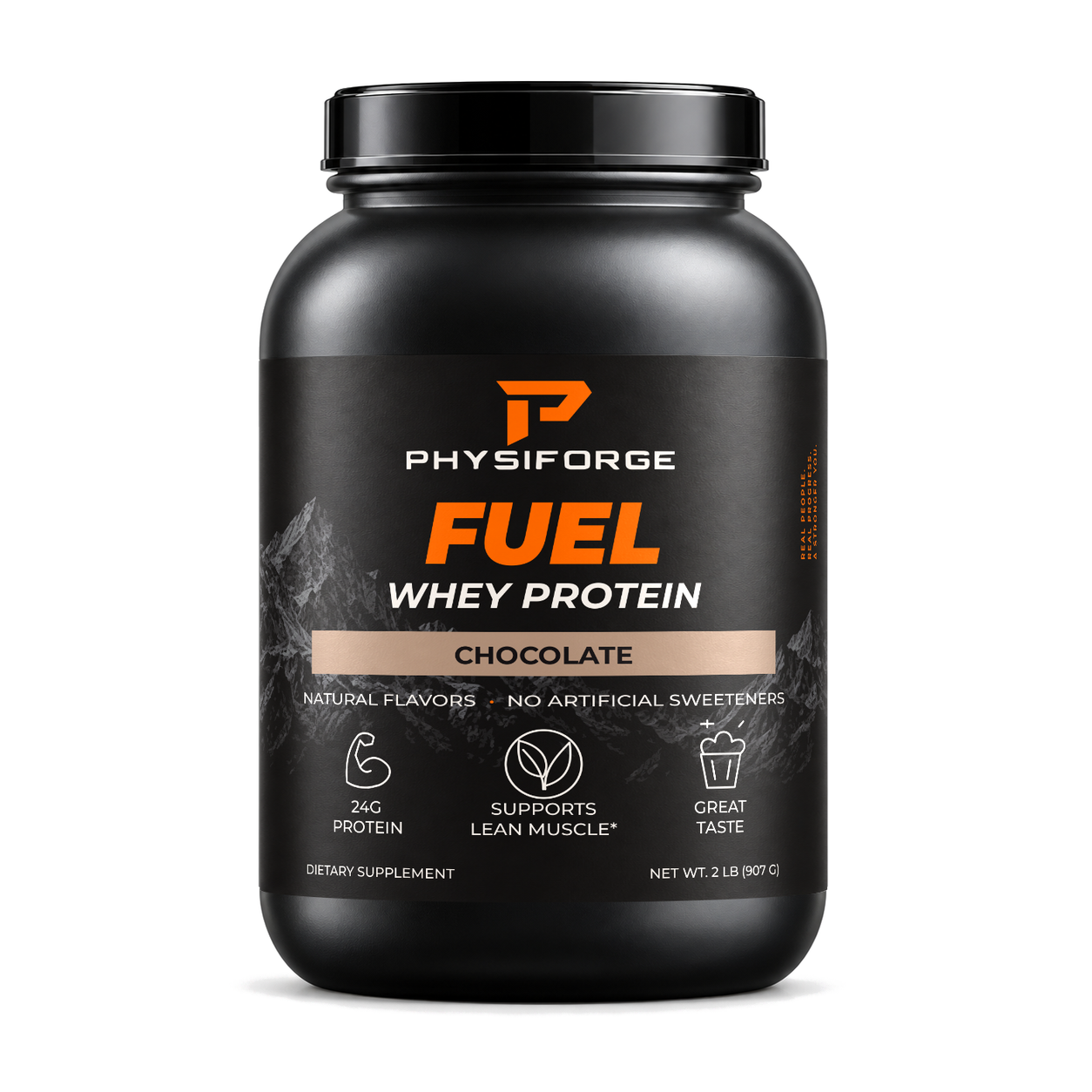
- Treat supplements as convenience tools, not mandatory nutrition.
More is not automatically better
The point is adequacy, not chasing the highest possible intake. Kidney disease, pregnancy, clinician-directed diets, and some metabolic conditions can change what is appropriate. If a high target crowds out vegetables, fruit, fiber, fats, or total food tolerance, the plan may be worse even if the protein number looks impressive.
A good target is one that supports the larger plan and can be met consistently without turning every meal into a math problem.